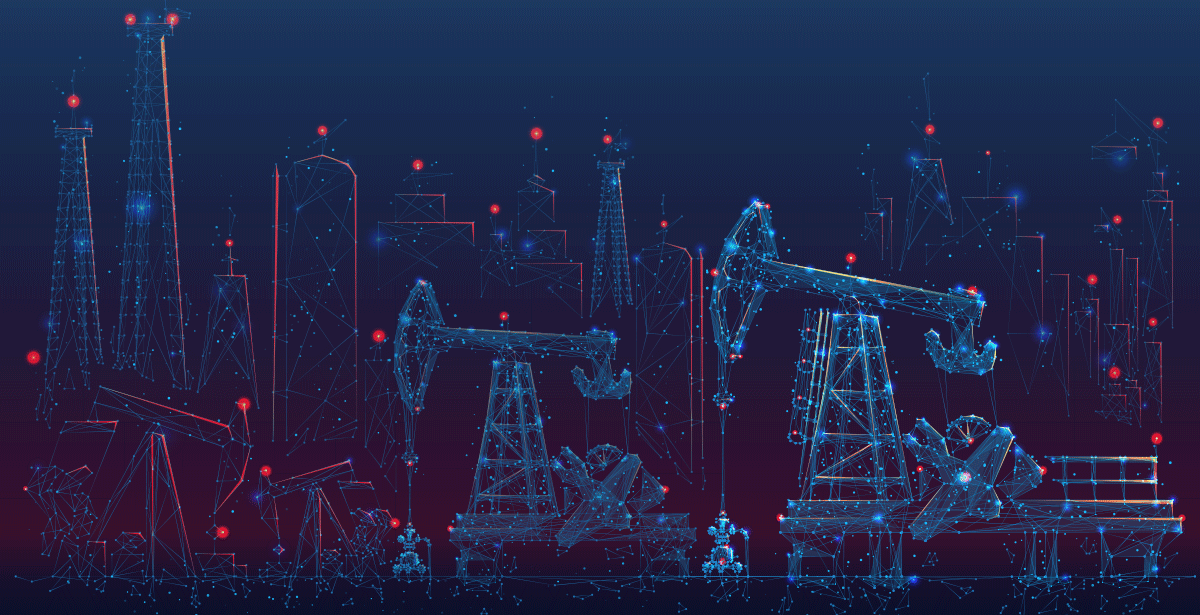


Digital transformation in oil and gas goes beyond adopting new software and digital tools. It represents a fundamental change in the way data is collected, analyzed, and utilized to improve operational and management processes. By integrating engineering data, operational information, equipment performance, and business systems, digital transformation enables faster, more accurate, and more informed decision-making.
One of the most significant applications of digital transformation is smart reservoir management. Through advanced data analytics, artificial intelligence, and predictive modeling, engineers can better understand reservoir behavior, reduce uncertainties, optimize production strategies, and improve the performance of enhanced oil recovery (EOR/IOR) projects. Real-time monitoring of wells and production facilities also enables early detection of potential issues and helps prevent unexpected downtime.
In exploration, production, and facility operations, technologies such as Internet of Things (IoT), Digital Twins, Artificial Intelligence, Machine Learning, and Cloud Computing are playing an increasingly important role. These technologies connect equipment, data platforms, and operational processes, allowing companies to optimize energy consumption, improve safety, enhance maintenance strategies, and increase overall productivity.
Despite its significant benefits, successful digital transformation requires a combination of advanced technologies, specialized expertise, high-quality data management, and a clear strategic roadmap. Companies that effectively integrate digital solutions into their operations will be better positioned to reduce costs, increase efficiency, and create sustainable value in the future of the energy industry.
Petro Pazhoohesh Ahoura, by combining engineering expertise, advanced laboratory technologies, data-driven solutions, and digital transformation capabilities, supports the oil and gas industry in its transition toward smarter operations and more efficient decision-making.